When a Slow Drain Is More Than a Simple Clog in Palm Coast Homes
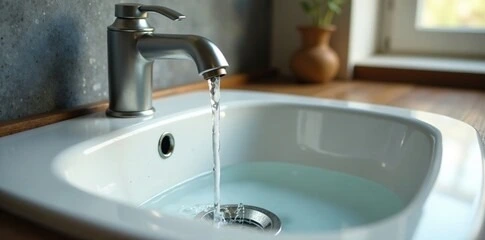
Most Palm Coast homeowners notice slow drains before anything else—water lingering in the sink, a tub that takes longer to empty, or faint bubbling sounds after flushing. It’s easy to assume it’s just hair, soap, or a little grease buildup.
In reality, many slow drains in Palm Coast homes are early signs of deeper plumbing issues, especially in slab-built houses where problems develop out of sight. Catching these clues early often makes the difference between a simple fix and a bigger repair later.
Why Slow Drains Shouldn’t Always Be Ignored
A slow drain is often an early warning sign, not the entire problem itself. While it might seem minor, it usually means something is starting to build up or restrict flow deeper in the plumbing system.
Clearing the surface—like removing visible debris or using a quick fix—doesn’t always address what’s happening farther down the line. In many Palm Coast homes, early attention to slow drains—and proper clogged drain cleaning—helps prevent full blockages, backups, or sewer issues later on.
Common Causes of Slow Drains in Palm Coast Homes
Slow drains in this area usually develop over time, not overnight. Some of the most common causes we see include:
- Soap and grease buildup
Residue slowly coats the inside of pipes, especially in kitchen and bathroom drains, restricting water flow little by little. - Hard water scale narrowing pipes
Palm Coast’s mineral-rich water can leave scale deposits that reduce pipe diameter and slow drainage even when there’s no clog. - Partial blockages deeper in the line
Debris may collect farther down the drain or in branch lines, where surface cleaning won’t reach. - Shared drain lines in slab homes
Many homes have multiple fixtures feeding into the same underground drain, so a slowdown in one area can signal a developing issue elsewhere.
Catching these causes early often keeps a slow drain from turning into a full backup.
Slow drains are common in older Palm Coast homes, but they’re not something you should consider “normal.” Aging pipes, mineral buildup from hard water, and long-term residue inside drain lines can all reduce flow over time. While age explains why it happens, a consistently slow drain usually means there’s a developing blockage that should be checked before it leads to backups or leaks.
When a Slow Drain Points to a Bigger Problem
A single slow sink can be minor—but certain patterns suggest something deeper in the plumbing system. If you’re noticing the same drain clogging again and again, it usually means the blockage was never fully cleared. When multiple fixtures (like a sink and shower) drain slowly at the same time, that often points to sewer line problems in Palm Coast homes beneath the slab.
Gurgling sounds from nearby drains can signal trapped air caused by partial blockages, and intermittent odors may mean waste isn’t moving through the line as it should. In Palm Coast homes, these signs often indicate buildup or restriction deeper in the drain or sewer line—worth addressing early, before a full backup occurs.
If more than one fixture is draining slowly—such as a sink, shower, or toilet—it usually means the issue isn’t isolated to that fixture. Shared drain lines under slab foundations can cause problems to show up in multiple places at once. Gurgling sounds, recurring clogs, or water backing up in a different fixture than the one you’re using are common signs the problem is deeper in the system.
Palm Coast Plumbing Factors That Make Drain Issues Worse
Drain problems don’t behave the same way in Palm Coast as they do in older, crawlspace-style homes or other parts of the country. The way homes are built here plays a big role in how small drain issues turn into bigger ones.
Most Palm Coast homes are built on concrete slabs, which means the main drain lines run underneath the home. When a blockage starts forming, there’s no visible pipe to give early warning—problems stay hidden until symptoms show up at fixtures.
Irrigation systems are another factor. Many neighborhoods have irrigation lines running close to drain and sewer paths. Over time, shifting soil or minor leaks can affect how drains flow, especially after landscaping changes or heavy watering.
Seasonal rain also matters. Palm Coast soil can shift after prolonged rainfall, putting pressure on underground drain lines. This can worsen partial blockages or expose weak points that were already narrowing from buildup.
Finally, Palm Coast neighborhoods were developed in phases. Homes may look similar, but drain layouts, pipe materials, and connection points can differ street by street. That’s why the same “slow drain” symptom can mean very different things depending on the area.
Local familiarity helps identify whether a slow drain is just surface buildup—or the early sign of a deeper issue forming under the slab.
Drain Cleaning vs Sewer Line Issues
Not every slow drain means there’s a major sewer problem—but not every issue can be solved with a simple cleaning either. The key is understanding what the symptoms are telling you, especially the difference between a drain issue and a sewer line problem.
Professional drain cleaning is often enough when the problem is limited to one fixture and caused by everyday buildup like soap, grease, or debris inside that branch line. Once properly cleared, the drain should return to normal and stay that way.
Deeper inspection becomes necessary when slow drainage keeps coming back, affects multiple fixtures, or is paired with gurgling sounds or odors. Those signs usually point beyond a single drain and toward the main line under the slab.
Repeated drain cleaning for the same problem isn’t normal. If a drain needs to be cleared over and over, something is being missed beneath the surface. Identifying that early helps prevent backups, floor damage, or more invasive repairs later.
The goal isn’t to jump to worst-case conclusions—it’s to match the solution to what’s actually happening inside the plumbing system.
Drain cleaning can help if the issue is minor and limited to buildup near the start of the line, but it won’t fix structural sewer problems or blockages farther down the system. If slow drains or backups keep returning after cleaning, it usually means the main sewer line needs to be inspected rather than cleared again.
What Happens If Slow Drains Are Left Unchecked
A slow drain rarely stays slow forever. In many Palm Coast homes, partial blockages continue to build quietly until water has nowhere to go but back up. When that happens, the problem often shows up all at once — a sink that suddenly won’t drain, a shower filling up fast, or water backing into another fixture.
Unchecked slow drains also increase the chance of water damage. Overflows can affect flooring, cabinets, and nearby walls, especially in slab homes where drain lines are hidden. Most emergency drain calls we see actually start weeks or months earlier as a drain that “just seemed slow” and was easy to ignore.
When to Call a Plumber for a Slow Drain
Not every slow drain means you need immediate service, but some signs shouldn’t be brushed off.
It can usually wait a bit if:
- Only one fixture is draining slowly
- The issue improves temporarily after basic cleaning
- There are no odors, noises, or backups elsewhere
You shouldn’t wait if:
- The same drain clogs repeatedly
- Multiple sinks, tubs, or toilets are slow at the same time
- You hear gurgling from nearby drains
- Odors come and go without an obvious cause
Calling earlier often prevents a simple drain issue from turning into a backup or water damage situation. In many Palm Coast homes, catching the problem at this stage keeps the fix smaller, cleaner, and far less disruptive.
Plumbing Takeaways for Palm Coast Homeowners
Slow drains are rarely “just nothing.” They’re often early signals that something deeper is developing. In Palm Coast homes, slab construction, shared drain lines, and local soil conditions all affect how plumbing problems show up. Paying attention to repeated clogs and gradual changes can help you address issues before they turn into messy, expensive repairs.
If you’re noticing a drain that just doesn’t seem right and you’re not sure what it means, you’re welcome to call and talk it through with us. We’re happy to help you understand what’s normal, what isn’t, and whether anything needs attention.