Tank vs. Tankless Water Heaters for Florida Homes: What Palm Coast Owners Should Know
When hot water starts running out, fluctuating, or feeling inconsistent, most homeowners begin comparing tank and tankless water heaters, often when they start considering water heater repair or replacement options. A lot of the advice you’ll find online is written for colder climates or generic home layouts, which doesn’t always translate well to Florida. Palm Coast homes, water quality, and plumbing design all play a role in how each system actually performs. This guide is designed to help you understand the difference based on your home—not trends or sales pitches.
How Tank and Tankless Water Heaters Work
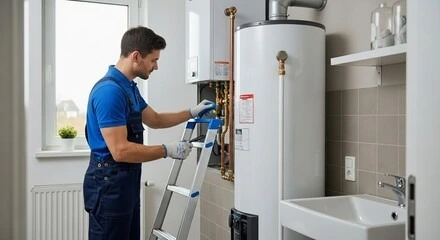
A traditional tank water heater stores a set amount of hot water in a large tank and keeps it heated around the clock. When you turn on a faucet, hot water flows from the tank until it’s used up, then the system needs time to recover and reheat. This is why showers can suddenly turn cold when multiple fixtures are used close together.
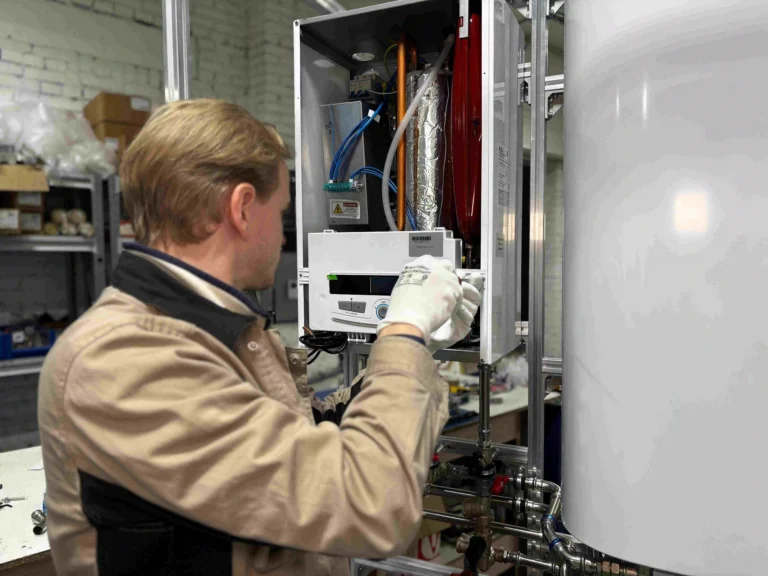
A tankless water heater works differently. Instead of storing hot water, it heats water only when you need it. As soon as you open a tap, the system activates and warms the water as it flows through the unit. There’s no tank to empty, so hot water doesn’t “run out,” but the system has limits on how much hot water it can produce at one time.
In daily use, tank systems feel familiar and predictable, while tankless systems feel more continuous. The difference comes down to how your household uses hot water and how your home’s plumbing supports each setup.
Why Florida Homes Don’t Always Fit Generic Water Heater Advice
A lot of water heater advice online is written for colder climates, and that matters more than most homeowners realize. In Florida, incoming groundwater is naturally warmer, which changes how both tank and tankless systems perform. Water heaters here don’t have to work as hard to raise temperatures, so recovery times and efficiency look different than they do up north.
Palm Coast homes also tend to use hot water year-round rather than seasonally. There’s no long “off season,” which means systems experience more consistent demand and wear. Homeowners often expect quicker recovery and steady performance because hot water use is spread across the day, not clustered around winter mornings.
Because of this, recommendations that make sense in colder states don’t always translate well to Florida homes. Choosing the right system here depends less on national trends and more on how local homes are built, how water flows through them, and how families actually use hot water day to day.
Pros and Cons of Tank Water Heaters in Palm Coast Homes
Traditional tank water heaters are still common in Palm Coast, and for many homes, they remain a practical choice. One reason is the lower upfront cost. Tank systems are generally more affordable to install, especially when replacing an existing unit with a similar setup.
They also tend to fit more easily into slab-home layouts. Since many Palm Coast homes were built with tank systems in mind, upgrades often don’t require major plumbing or electrical changes. Repairs are usually straightforward as well, with familiar parts and predictable service needs.
That said, tank water heaters do have limits. Once the stored hot water is used up, there’s a wait for recovery, which can be noticeable in larger households. Tanks also take up more space, whether they’re installed in a garage or utility area. For homeowners with growing hot water demands or limited space, these trade-offs are worth considering.
Yes. For many Florida homes, especially in Palm Coast, tank water heaters are still a reliable and cost-effective option. Warmer groundwater helps them recover faster than in colder states, and for households with moderate hot water use, a properly sized tank can meet daily needs without issue. The key is matching the tank size and condition to how your home actually uses hot water.
Pros and Cons of Tankless Water Heaters in Palm Coast Homes
Tankless systems are appealing, but how well they work really depends on the home they’re installed in and how they’re maintained—especially in Palm Coast.
On the plus side, tankless water heaters provide continuous hot water. That’s a big draw for larger households or homes where multiple showers and appliances run back-to-back. They also take up far less space than a traditional tank, which works well for garage or utility-room installs common in this area. When properly maintained, they can be energy-efficient because they only heat water when it’s needed.
That said, there are trade-offs. Palm Coast’s hard water can cause mineral scale to build up inside tankless units faster than many homeowners expect, which means regular descaling is important. Some homes also need electrical or gas upgrades before a tankless system can be installed safely and effectively. And while tankless units last longer on average, they do require more consistent maintenance than tank systems to keep performance steady.
Yes, they can—but maintenance matters more here. Palm Coast has hard water, which means minerals can build up inside a tankless system faster than in other areas. With regular descaling and proper setup, tankless water heaters perform well, but skipping maintenance often leads to reduced efficiency and early repairs.
How Home Layout and Plumbing Affect the Right Choice
In Palm Coast, the best water heater choice often has less to do with the unit itself and more to do with how the home is built.
Most homes here sit on slab foundations, which means supply lines are buried and rerouting plumbing isn’t always simple. Traditional tank systems usually connect easily to existing lines, while tankless systems may require adjustments depending on where the heater is located and how far fixtures are spread out.
Distance also matters. In homes where bathrooms or kitchens are far from the water heater, hot water delivery time can feel different between systems. Tankless units provide endless hot water, but they don’t eliminate the wait time created by long pipe runs unless additional solutions are added.
Household usage plays a role too. Homes with multiple bathrooms being used at the same time may benefit from tankless systems sized correctly—or from larger tanks designed for higher demand. Choosing incorrectly can lead to pressure drops or inconsistent temperatures.
Finally, the existing utility setup matters. Some Palm Coast homes already have gas service, while others are electric-only. Switching energy types can affect installation complexity, cost, and long-term performance.
This is why water heater decisions work best when they’re based on the home’s layout—not just the heater’s features.
When you’re ready, we can continue with the next section (cost considerations, lifespan, or decision guidance), or adjust flow if you want this tighter or more conversational.
Maintenance Differences Homeowners Should Expect
Both tank and tankless water heaters need maintenance, but the type—and importance—of that maintenance looks different in Florida homes.
Traditional tank water heaters typically need periodic flushing to remove sediment that settles at the bottom of the tank. In Palm Coast, mineral buildup happens faster because of hard water, and when sediment is left in place, it forces the heater to work harder and wear out sooner.
Tankless systems don’t store water, but they’re more sensitive to mineral scale and may require proper tankless water heater service to maintain performance. Over time, calcium and lime can coat the internal heat exchanger, reducing efficiency and triggering error codes. That’s why tankless units require routine descaling, even if everything seems to be working fine.
Florida water conditions often mean shorter service intervals for both systems compared to other regions. Skipping maintenance doesn’t usually cause an immediate failure—but it quietly shortens the lifespan, increases energy use, and raises the risk of sudden breakdowns later.
In short, neither option is maintenance-free. The right choice is the one whose upkeep fits your home, water quality, and expectations.
Tankless water heaters don’t need flushing like tank systems, but they do need regular descaling to remove mineral buildup—especially with Palm Coast’s hard water. A traditional tank heater usually needs simpler, less specialized maintenance, but sediment buildup can still shorten its lifespan if ignored. So it’s not that tankless systems need more maintenance—just a different kind, and staying on schedule matters more.
Cost Considerations Beyond the Price Tag
When homeowners compare tank and tankless systems, the upfront price is only part of the picture. Installation complexity plays a big role—some homes need electrical upgrades, gas line changes, or venting adjustments to support a tankless unit. Utility setup, access to the installation area, and existing plumbing all affect the scope of work.
Long-term costs matter too. Tank systems tend to be simpler and cheaper to repair, while tankless units can last longer but involve more specialized service when issues arise. This is why quotes can vary widely from one Palm Coast home to another. Two houses on the same street can require very different solutions based on layout, usage, and infrastructure.
When a Tank Water Heater Makes More Sense
For many Palm Coast homeowners, a traditional tank water heater is still the more practical option. Smaller households often don’t use enough hot water at one time to benefit from an on-demand system, so a tank can easily keep up with daily needs.
Homes with limited electrical capacity or older service panels may also be better suited for a tank replacement, since tankless systems often require upgrades that don’t make sense for every property. If the goal is a straightforward, budget-focused replacement—especially when a current tank has failed—a new tank heater is usually faster and less disruptive to install.
Tank systems can also make more sense for homeowners who plan to sell in the near future. In those cases, reliability and simplicity often outweigh the long-term efficiency benefits of switching systems.
When Tankless Is Often the Better Option
Tankless water heaters tend to be a better fit for Palm Coast homes with higher or more consistent hot water demand. Households with multiple bathrooms, frequent simultaneous use, or long showers often appreciate the steady supply that doesn’t run out.
They’re also a strong option for homeowners planning to stay put long term. While installation can be more involved, the efficiency gains and longer lifespan can make sense over time. In homes where space is limited—such as garages or utility closets—a wall-mounted tankless system can free up valuable room.
For owners who prioritize energy efficiency and are willing to keep up with routine maintenance, tankless systems can deliver reliable performance that aligns well with Florida’s year-round hot water use.
Common Mistakes Palm Coast Homeowners Make When Choosing
One of the most common mistakes is choosing a water heater based on trends or online recommendations that aren’t specific to Florida homes. What works well in colder climates or newer builds doesn’t always translate to Palm Coast’s slab construction and local water conditions.
Another frequent issue is undersizing the system. This happens most often with tankless units when household demand isn’t fully considered. The result is inconsistent hot water that feels like a malfunction but is really a planning issue.
Homeowners also tend to overlook water quality—something that often shows up in normal water pressure changes in Palm Coast homes. Hard water can reduce efficiency and lifespan if maintenance expectations aren’t factored in from the start. Finally, skipping compatibility checks—such as electrical capacity, gas supply, or venting—can turn a straightforward replacement into a costly and frustrating project.
Plumbing Takeaways for Palm Coast Homeowners
- Florida’s warmer groundwater and year-round usage can change how both tank and tankless systems perform compared to colder regions.
- Your home’s layout—slab foundation, distance to fixtures, and existing utilities—often matters as much as the type of water heater you choose.
- Understanding the ongoing maintenance needs of each system helps prevent surprise repairs and extends the life of your investment.
Choosing between a tank and tankless system isn’t always straightforward, especially with the way Palm Coast homes are built. If you’d like to talk through your home’s layout, hot water needs, and what makes the most sense long term, you’re welcome to call and ask. We’re happy to help you think it through—no pressure, no upselling.