Why Plumbing Problems Often Show Up After Heavy Rain in Palm Coast
Living in Palm Coast, we’re used to those sudden, heavy afternoon downpours that turn yards into ponds in minutes. Most homeowners assume their plumbing is a closed system that shouldn’t be affected by what’s happening outside, but in Florida, the ground dictates how well your pipes perform.
When we get several inches of rain in a short window, the soil around neighborhoods like Indian Trails or Palm Harbor becomes completely saturated. This puts immense pressure on your buried sewer lines, often leading to sewer line problems in Palm Coast homes during heavy rain.If your sinks start gurgling or your toilets act sluggish only when it’s pouring outside, it’s not a coincidence—it’s your plumbing reacting to the local water table.
How Saturated Ground Affects Your Home’s Drainage
In Palm Coast, our soil is mostly sand, which usually drains pretty well. But during a tropical storm or a week of heavy summer rain, that sand acts like a giant sponge. Once it hits its limit and can’t hold any more water, the pressure has nowhere to go but against your buried pipes.
This is what we call hydrostatic pressure. When the ground is heavy with water, it can actually push against your sewer lines. If there’s even a tiny crack or a loose joint in a line running through your yard in Lehigh Woods, that outside water tries to force its way in. This fills up your pipes with water that shouldn’t be there, leaving less room for the water you’re trying to drain from your shower or kitchen sink.
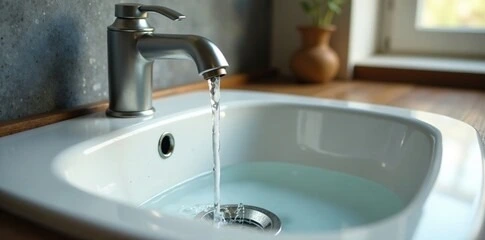
It’s easy to think you have a clog when the drains slow down during a storm, especially if you’ve noticed similar slow drain issues in Palm Coast homes before. If the water in the soil has nowhere to go, the water in your house won’t have a clear path out, either.
The Connection Between Heavy Rain and Sewer Backups
When it rains hard enough to flood the streets in Matanzas Woods, the city’s sewer infrastructure is put to the test. Ideally, rainwater and sewage stay separate, but in reality, heavy storms can cause “inflow.” This happens when rainwater seeps into sewer manholes or cracked municipal lines, causing the entire system to run at max capacity.
If the main sewer line on your street is struggling to keep up with the volume, the waste from your home has nowhere to go. This is when you’ll see the most “scary” plumbing symptoms, like water backing up into your tubs or bottom-floor showers. Since those are the lowest points in your home, they are the first places where backed-up water will show its face.
Rain also triggers rapid root growth. If you have a small, unnoticed crack in your sewer line, the roots from those local oaks or pines will seek out the moisture. During a heavy rain, those roots can swell or shift, turning a minor restriction into a total blockage just when you need your drains to work the most.
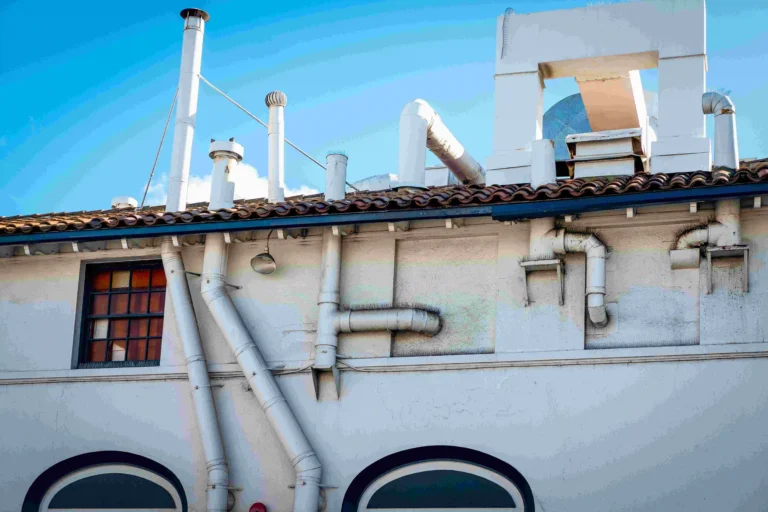
When you hear that rhythmic “glug-glug” sound from the bathroom during a downpour, it’s usually because of air. Your plumbing system needs to breathe through vent pipes that stick out of your roof. During heavy Palm Coast storms, a few things can happen: either the rain is so intense it’s creating a “curtain” over your vent stacks, or the rising water level in the city sewer lines is pushing air back toward your house. That air has to escape somewhere, and the easiest path is often bubbling up through the water in your toilet trap. It’s a clear sign that your system is under pressure and struggling to displace air properly.
Palm Coast’s Slab Foundations and Rising Water Tables
In Palm Coast, we don’t have many basements. Most of our homes in Cypress Knoll or Indian Trails are built on concrete slabs. This means your main sewer and supply lines are sitting directly in the dirt and sand right beneath your feet. When we get a tropical system or a week of heavy rain, the water table—the level where the ground is completely soaked—rises toward the surface.
This rising water table can actually shift the sandy soil under your house. Since concrete doesn’t flex, any movement in the ground puts stress on the pipes. For older homes built in the late 90s or early 2000s, this pressure can be the breaking point for a pipe that was already weakened by age. It’s a unique Florida problem: the rain doesn’t just fall on your roof; it pushes up from underneath your floors, making your plumbing work twice as hard to push waste out against that external pressure.
Identifying Rain-Related Pipe Leaks
It can be tricky to tell the difference between a roof leak and a plumbing leak when it’s pouring outside. However, if you see a wet spot on the floor near an exterior wall or notice water seeping up through the grout in your tile after a storm, that’s usually a sign of a hidden plumbing leak under the slab that may require professional leak detection.
One way we narrow it down is by checking your water meter during a break in the rain. If the little dial is spinning even though everything inside is turned off, you’ve got a supply leak that likely worsened because of the ground shifting. If the meter is still, but the puddles stay long after the sun comes out, the rain may have backed up your drainage system, causing a “slow leak” at a pipe joint that only shows up when the ground is saturated.
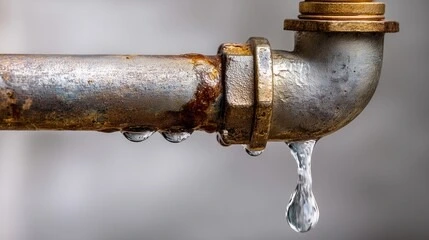
A storm doesn’t usually break a healthy pipe, but the shifting soil can definitely push an old one past its limit. When Palm Coast’s sandy ground gets soaked, it moves and settles, putting physical stress on the lines under your slab. If a pipe is already weakened by age or corrosion, that extra pressure is often what finally causes it to crack or leak.
Septic vs. Sewer: Different Rain Problems
Whether your home in Palm Coast is on city sewer or a private septic tank changes how a storm affects your morning routine. If you’re on the city system, your main threat is “inflow,” where the municipal lines get overwhelmed by sheer volume, causing water to push back toward your house.
For homes in the more rural pockets of Flagler County with septic systems, the problem is usually the drain field. When the ground is underwater, your septic tank has nowhere to dump the liquid waste. It’s like trying to pour water into a bottle that’s already full. If you’re on a septic system and it’s been pouring for three days, you have to be careful—running the dishwasher or taking long showers can quickly lead to a backup because the saturated earth simply won’t take any more water.
Preventative Steps for the Next Palm Coast Storm
You don’t have to wait for a hurricane to start thinking about your drains. There are a few simple things we tell homeowners in Grand Haven or Palm Harbor to do before the rainy season really kicks into gear.
First, take a walk around your yard and find your sewer cleanout—it’s usually a white PVC pipe sticking up a few inches from the ground with a cap on it. Make sure that cap is tight and isn’t cracked. If it’s broken or missing, rainwater will pour directly into your sewer line, overwhelming your pipes instantly.
Second, check your gutters. If your downspouts are dumping water right next to your foundation or directly on top of your septic tank, you’re asking for trouble. Extending those pipes just a few feet away can be the difference between a dry house and a slab leak. Finally, if you’ve had slow drains all summer, get a camera inspection now. It’s a lot easier to clear a small root blockage on a sunny Tuesday than it is during a Saturday night deluge.
It’s generally safe, but if your drains are already gurgling or acting sluggish, adding 20 or 30 gallons of shower water during a downpour is risky. If the city sewer or your septic tank is already struggling with the rain, that extra volume can be the tipping point that causes a backup into your tub. If the storm is severe, it’s usually better to wait until the heaviest rain lets up.
When to Call a Professional After a Storm
If your drains start working again the second the clouds clear, you might have just been dealing with a temporary municipal surge. But if the rain has stopped and you’re still seeing standing water in your tubs or hearing that “glug” in the pipes, it’s time to get a professional look at it.
A storm often acts as a stress test that reveals a problem that was already brewing. If you notice a lingering sewer smell inside the house after a big Palm Coast storm, it usually means the pressure has blown out a seal or dried out a trap. Waiting for the ground to “dry out” won’t fix a pipe that’s been compromised by shifting soil or a line that’s now packed with sand and silt from a break. If your plumbing doesn’t return to 100% within a few hours of the rain stopping, there’s likely a blockage or a break that needs to be addressed before the next afternoon shower hits.
Key Takeaways for Local Homeowners
- Palm Coast soil is unique: Our sandy ground moves and holds water in ways that put constant, physical stress on your buried pipes.
- Gurgling is a warning: If your toilets or sinks make noise during a storm, it’s a diagnostic clue that your system is struggling with air or water displacement.
- Manage your runoff: Keeping gutters clear and ensuring your sewer cleanout cap is tight are the easiest ways to prevent a rain-related backup.
- Consistency matters: Your plumbing should work the same regardless of the weather; if it doesn’t, there is an underlying issue that the rain is simply exposing.
If you’re noticing that your home only seems to have plumbing “attitude” when it’s pouring outside, give us a call at Palm Coast Pro Plumbing. We can talk through the symptoms you’re seeing and help you figure out if it’s a simple drainage fix or something more specific to the way your neighborhood handles runoff. No high-pressure sales—just a local perspective on what’s going on with your pipes.