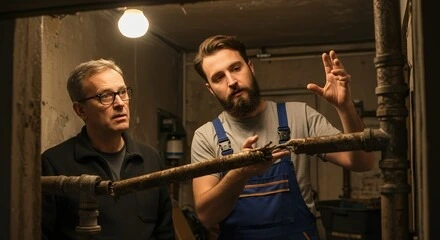
Common Plumbing Problems in Palm Coast Homes Built in the Early 2000s
Many Palm Coast neighborhoods saw major growth in the early 2000s, which means a large number of homes here share similar plumbing layouts, materials, and installation timelines. While these homes may still look relatively new on the surface, their plumbing systems are now 20+ years into regular use. As a result, certain issues tend to appear repeatedly—not because anything was done wrong, but because of how these homes were built and how plumbing naturally ages. This guide walks through the most common problems we see, what’s considered normal wear, and when it makes sense to take a closer look.
Why Early-2000s Palm Coast Homes Share Similar Plumbing Issues
Palm Coast saw rapid residential growth in the early 2000s, and many neighborhoods were built around the same time using similar plumbing materials, layouts, and installation methods. Most of these homes sit on concrete slab foundations, which means water supply and drain lines were buried beneath the slab from day one. Fixtures, valves, and original water heaters were often installed in bulk during construction, so they tend to age at roughly the same pace across entire neighborhoods. The result isn’t sudden failure, but gradual wear that happens out of sight—small leaks, pressure changes, and performance issues that build slowly over time. This shared construction history is why certain plumbing problems show up again and again in homes from this era.
Slab-Related Plumbing Problems That Appear Over Time
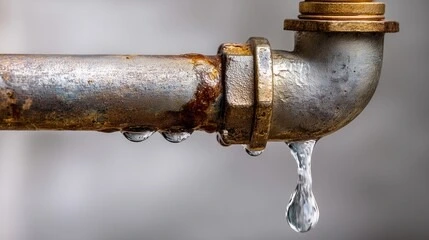
One of the trickiest things about slab-built homes is that plumbing problems don’t always announce themselves right away. Because water lines run beneath the concrete, small leaks can develop and continue for a long time before anything looks “wrong” inside the house. As pipes age, minor shifts in pressure and everyday wear can stress joints or weak spots, especially in systems that have been in place for 20 years or more.
Homeowners may first notice subtle signs—slightly warm areas on the floor, faint musty smells, or moisture that doesn’t seem tied to spills or weather. In slab homes, these symptoms often appear late because the concrete absorbs and spreads moisture instead of letting it surface quickly. That delay doesn’t mean the issue is sudden; it usually means the problem has been quietly developing out of sight, which is why awareness matters more than alarm when it comes to slab-related plumbing issues.
They can be. Many homes from this period share similar pipe materials, slab construction, and installation methods, which means supply lines have now been under constant pressure for 20+ years. That combination makes slab leaks more likely to appear as systems age, even if there were no issues when the home was newer.
Drain and Sewer Issues Common in These Homes
In many early-2000s Palm Coast homes, drain problems tend to show up gradually rather than all at once. Homeowners often start with a slow sink or tub that seems manageable, only to notice the same drain clogging again a few weeks later. Over time, soap residue, grease, hair, and mineral scale can narrow pipes enough that normal use starts to overwhelm the system.
Because these homes often share similar drain layouts under slab foundations, partial blockages deeper in the line can affect more than one fixture. After heavy use—or following periods of heavy rain—those restrictions may finally make themselves known through gurgling sounds, backups, or drains that suddenly won’t clear. In these cases, repeatedly “just clearing it” treats the symptom but not the cause, which is why some homes experience the same drain issues again and again. Understanding when a slow drain is pointing toward a developing sewer or main line issue helps homeowners address the problem before it turns into a bigger disruption.
Most drain and sewer problems develop slowly. In early-2000s Palm Coast homes, years of normal use allow soap residue, grease, hair, and mineral buildup to gradually coat the inside of pipes. At the same time, small shifts in soil or slight pipe settling can change how waste flows through the system. For a long while, everything still “works,” just a little slower each year. Eventually, the system reaches a tipping point where normal daily use is enough to cause backups, even though nothing sudden or dramatic has happened.
Water Heater Problems Homeowners Start Seeing
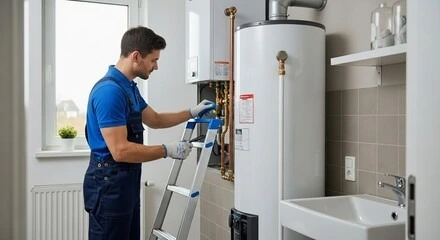
In many Palm Coast homes built in the early 2000s, the original water heater—or even a second replacement—is now reaching the stage where age-related issues become noticeable. These problems tend to show up gradually rather than all at once.
Common patterns homeowners report include inconsistent water temperature, running out of hot water faster than they used to, or hearing popping and rumbling noises from the tank. In Florida, hard water plays a big role here. Over time, mineral sediment settles at the bottom of tank-style heaters, reducing efficiency and stressing internal components.
This is also the point where many homeowners begin asking whether it makes sense to repair, replace with another tank, or consider a tankless system. The right answer usually depends on the home’s layout, water usage habits, and how the existing plumbing has aged—not just the age of the heater itself.
In Palm Coast, most tank-style water heaters last about 8–12 years. Hard water causes sediment to build up inside the tank, which shortens lifespan and reduces efficiency over time. In early-2000s homes, many current water heaters are already on their second unit and may now be reaching normal age-related wear. Changes in hot water consistency are often the first sign of this gradual aging.
Fixture and Valve Failures That Catch Homeowners Off Guard
In many early-2000s Palm Coast homes, small fixture and valve issues are often the first plumbing problems homeowners notice. Faucets may begin dripping as internal cartridges wear out, and toilets can start running quietly when fill valves no longer seal the way they should.
Shutoff valves under sinks or behind toilets are another common surprise. After years of mineral exposure and little use, they may stick or fail to close fully when needed. None of these problems feel dramatic, but they can slowly waste water and push utility bills higher without obvious warning signs.
Because these changes happen gradually, they’re often dismissed as minor annoyances—until the water bill or reliability becomes harder to ignore.
Pipe Wear From Hard Water and Normal Aging
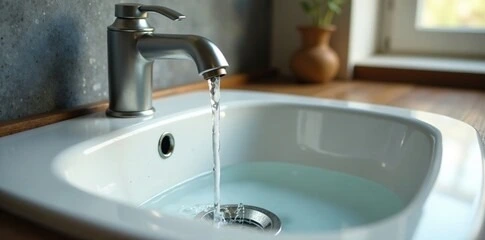
Over time, Palm Coast’s hard water leaves mineral deposits inside plumbing lines. This buildup slowly narrows the interior of pipes, which can reduce water flow long before a homeowner notices a clear problem.
Seals and gaskets throughout the system also wear down gradually as they’re exposed to minerals and regular pressure changes. Instead of failing all at once, this kind of aging usually shows up as slightly lower pressure, longer wait times for hot water, or fixtures that don’t perform the way they used to.
Because these changes happen slowly, they’re often mistaken for “just how the house has always been,” when they’re really signs of normal system aging.
Yes. Palm Coast’s hard water contains minerals that slowly build up inside pipes, seals, and valves over time. This buildup can shorten the effective lifespan of plumbing components by restricting flow and increasing wear, even when no leaks are visible. The impact is gradual, which is why many homeowners notice pressure or performance changes before outright failures occur.
When Repairs Are Enough — and When Bigger Solutions Make Sense
In many early-2000s Palm Coast homes, individual plumbing repairs are a normal part of ownership. Replacing a faucet cartridge, a toilet valve, or a section of pipe doesn’t automatically point to a larger problem—it often just reflects routine wear after years of use.
However, when similar issues start repeating across different fixtures or areas of the home, it can suggest a broader aging pattern rather than isolated failures. This is usually when plumbers begin talking through system-wide evaluations, not as an upsell, but as a way to understand whether continued spot repairs will remain practical.
Repiping discussions typically come up only after patterns are clear, and they’re meant to help homeowners compare long-term reliability against ongoing, piecemeal fixes—so decisions can be made with context, not pressure.
What Homeowners Can Watch for as These Homes Age
As early-2000s Palm Coast homes continue to age, it’s usually patterns—not one-time issues—that matter most. Repeated plumbing repairs, gradual pressure changes, or fixtures becoming less reliable over time can signal normal system wear rather than isolated problems.
Homeowners also tend to notice slow shifts in water bills, longer wait times for hot water, or drains that need attention more often than they used to. Having these changes looked at early can help prevent more disruptive repairs later, especially in slab-on-grade homes where access is limited.
Calling to talk things through before problems escalate often helps avoid emergency situations, even when nothing feels urgent yet.
Plumbing Takeaways for Palm Coast Homeowners
- Many Palm Coast homes built in the early 2000s share similar plumbing layouts and aging timelines.
- Slab-on-grade construction often delays visible signs of leaks or pipe problems.
- Most plumbing systems wear down gradually, with small changes appearing before major failures.
- Local experience matters when identifying whether an issue is normal aging or something that needs attention.
If you’re noticing changes in your plumbing and wondering whether it’s normal aging or something that deserves a closer look, you’re welcome to call Palm Coast Pro Plumbing. We’re happy to talk through what you’re seeing, explain what’s common in homes of this age, and help you understand your options—without pressure or urgency.