What “Normal” Water Pressure Should Feel Like in Palm Coast Homes
Most homeowners don’t notice water pressure changes all at once. It usually shows up slowly — a shower that feels weaker than it used to, a sink that takes longer to fill, or appliances that don’t run quite the same. Because water pressure isn’t something most people measure, “normal” is usually defined by how it feels day to day.
In Palm Coast homes, that experience is shaped by more than just the water supply. Home construction, the age of plumbing, slab foundations, and even neighborhood infrastructure all influence how pressure behaves. Understanding what’s typical for your home helps you recognize when a change is worth paying attention to — without jumping to conclusions.
What Homeowners Usually Mean by “Low” or “High” Water Pressure
When most homeowners talk about water pressure, they’re describing how the water feels during everyday use — not a number on a gauge. Showers may feel weaker, sinks may take longer to fill, or appliances may not run the way they used to.
Pressure is often confused with flow. Pressure is the force behind the water, while flow is how much water actually comes out. Both can create similar symptoms, which is why pressure issues aren’t always obvious at first.
In Palm Coast homes, changes tend to happen gradually. One bathroom might feel different from another, or a single fixture may show symptoms before the rest of the house. Pipe layout, slab construction, and fixture age all play a role in how pressure is experienced.
What Normal Water Pressure Feels Like in Palm Coast Homes
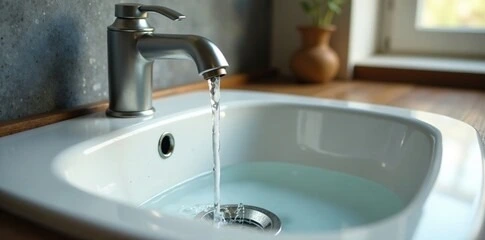
In a typical Palm Coast home, normal water pressure feels steady and predictable. Showers maintain consistent strength from start to finish, without sudden drops or bursts. Faucets turn on smoothly and flow evenly, instead of sputtering or fading.
Appliances like washing machines and dishwashers fill at a normal pace without struggling or taking longer than they used to. You shouldn’t hear pipes rattling, banging, or whistling when water is running — those sounds often signal pressure or flow problems.
When pressure is “normal,” you don’t really think about it at all. Everything just works the way it should.
Not always. Some variation is normal, especially in homes with longer pipe runs or multiple bathrooms. However, large differences — like strong pressure in one room and very weak flow in another — usually point to a plumbing issue that deserves a closer look.
Common Causes of Water Pressure Changes in Palm Coast
In Palm Coast homes, pressure changes usually build up over time rather than happening all at once. Some of the most common reasons include:
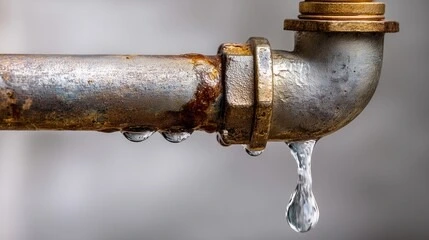
- Aging supply lines – As pipes get older, internal wear or corrosion can restrict water flow without an obvious leak.
- Partially closed or failing shutoff valves – Valves that haven’t been adjusted in years may not fully open or may start to fail internally.
- Mineral buildup from hard water – Scale can slowly narrow pipes and fixtures, reducing pressure at faucets and showers.
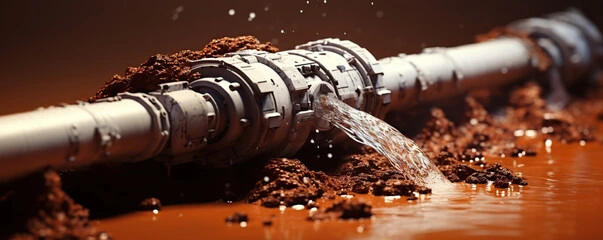
- Hidden leaks under slab foundations – Water escaping below the home lowers pressure long before surface damage appears.
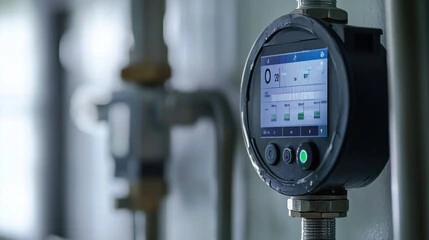
- Pressure regulators reaching the end of their lifespan – When regulators wear out, pressure can drop, spike, or fluctuate unpredictably.
These issues often overlap, which is why pressure problems can feel inconsistent from room to room.
Palm Coast Factors That Affect Water Pressure
Water pressure issues in Palm Coast often have less to do with fixtures and more to do with how the area is built and supplied with water.
Most homes sit on slab foundations, which means supply lines are buried and pressure problems can develop without obvious signs. Many neighborhoods were also built in large phases using the same materials, so aging pipes and valves tend to affect entire areas around the same time.
On top of that, irrigation systems frequently share the main water supply, so pressure can dip when sprinklers run. Seasonal demand and municipal adjustments can also cause subtle fluctuations that homeowners notice before anything actually “breaks.”
This is why generic plumbing advice often misses the mark—local conditions matter when diagnosing pressure changes in Palm Coast homes.
Yes, they can.
Many Palm Coast homes share the same water supply line for both indoor plumbing and irrigation. When sprinklers run—especially during peak watering times—they can temporarily reduce pressure inside the home. If pressure drops happen regularly or last beyond irrigation cycles, it’s usually worth having the system checked to rule out valve or supply issues.
When Low Pressure Signals a Plumbing Problem
Low water pressure isn’t always an emergency, but certain patterns suggest something more than normal wear. When pressure fades gradually over weeks or months, it often points to aging pipes, mineral buildup, or a developing leak. If some fixtures lose pressure while others stay strong, the issue is usually localized to a valve, branch line, or fixture—not the entire system.
A noticeable pressure drop paired with a higher water bill can signal hidden water loss, especially in slab homes where leaks don’t surface easily. Pressure changes that appear after plumbing work, landscaping, or heavy storms may also indicate a disturbed line or failing regulator. In these cases, having the system checked sooner helps prevent ongoing damage and frustration.
Yes, low water pressure can sometimes point to a leak — especially when the change happens gradually or without an obvious reason. In Palm Coast homes, leaks under slabs or in buried supply lines can quietly divert water before it ever reaches your fixtures. Because the water doesn’t always surface, the first sign homeowners notice is weaker pressure rather than visible damage.
That said, not every pressure issue is a leak. Aging valves, mineral buildup, or pressure regulators can cause similar symptoms. The key is looking at the pattern: ongoing pressure loss, multiple fixtures affected, or pressure changes paired with higher water bills are good reasons to have it checked.
Signs of Excessively High Water Pressure
Excessively high water pressure often feels great at first — strong showers, fast-filling sinks — but it can quietly strain a plumbing system over time. In Palm Coast homes, this extra stress may show up as banging or knocking pipes when fixtures shut off, leaking faucets that won’t stay fixed, or appliances wearing out sooner than expected.
Pressure that’s too strong can push seals, valves, and connectors beyond what they’re designed to handle. While it may seem like a benefit, consistently high pressure often leads to more frequent repairs and shortened lifespan for plumbing components.
How Plumbers Diagnose Water Pressure Issues
When water pressure doesn’t feel right, guessing is usually what leads to unnecessary repairs and extra cost. A proper diagnosis starts with understanding how pressure behaves throughout the entire home, not just at one faucet.
Plumbers look at the system step by step — comparing pressure at different fixtures, checking how it changes when multiple fixtures run, and observing patterns over time rather than one moment. This helps separate fixture-level issues from problems affecting the whole supply line.
Local knowledge matters here. In Palm Coast homes, slab foundations, shared irrigation lines, and neighborhood build phases all influence how pressure problems show up. What looks like a simple low-pressure issue in one home might point to a hidden leak or failing valve in another.
That’s why inspection always comes before repair. Understanding why pressure is off ensures the fix actually solves the problem — instead of masking it temporarily.
Rarely. Most pressure problems are caused by valves, regulators, or clogged fixtures that can be serviced or replaced right where they sit. If the issue is under the slab, we often find ways to bypass the problem area rather than breaking up your floors.
When to Call a Plumber About Water Pressure
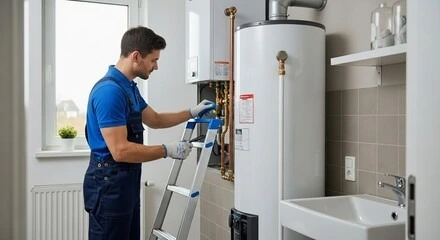
If you’ve lived in your home for years and the water just doesn’t “feel” the same as it used to, an evaluation is a good idea. It’s much cheaper to replace a failing regulator today than to repair a burst pipe or a flooded laundry room six months from now. If the change was sudden and stays low, don’t wait—that’s usually a sign of a mechanical failure or a fresh leak.
Plumbing Takeaways for Palm Coast Homeowners
- Consistency is Key: Your water pressure should stay steady, regardless of the time of day.
- Listen to Your Home: Banging or whistling pipes are early warning signs of pressure imbalances.
- Local Layouts Matter: Slab foundations in Palm Coast mean pressure issues often hide where you can’t see them.
If you’re concerned about your water pressure, give us a call at Palm Coast Pro Plumbing. We’re happy to talk through what you’re experiencing and help you figure out what’s normal for your specific neighborhood and home style. No high-pressure sales—just straight talk from someone who knows local pipes.