Why Irrigation Systems Cause So Many Plumbing Confusion Calls in Palm Coast
Many Palm Coast homes were built with irrigation systems installed alongside the original plumbing. Because these systems were often added during construction or shortly after, their lines frequently run near each other underground and sometimes even share similar shutoff locations.
When something goes wrong, the symptoms aren’t always clear. A drop in water pressure, a wet area in the yard, or a higher-than-usual water bill can easily feel like a plumbing problem, even when the source is actually the irrigation system.
This article explains why this kind of confusion is so common in Palm Coast homes, what signs tend to overlap, and how homeowners can better understand what they’re seeing before assuming the worst.
Why Irrigation and Plumbing Systems Overlap in Palm Coast Homes
Many Palm Coast neighborhoods were developed quickly and in large phases, especially from the late 1990s through the early 2000s. To keep construction efficient, irrigation and plumbing lines were often routed through the same general underground paths before slabs, driveways, and landscaping were completed.
Although irrigation and household plumbing are separate systems, their close physical proximity can make it hard to tell which one is causing a problem. Both run underground, both use pressurized water, and both can affect soil conditions around the home.
Because of this overlap, the symptoms homeowners notice—such as pressure changes, moisture, or unexpected water use—don’t always point clearly to one system without further evaluation.
Common Signs That Get Mistaken for Plumbing Problems
Some of the most common warning signs homeowners notice in Palm Coast can come from either the plumbing system or the irrigation system. A sudden drop in water pressure, for example, may be caused by a plumbing leak—but it can also happen when an irrigation line breaks underground and draws water away from the home.
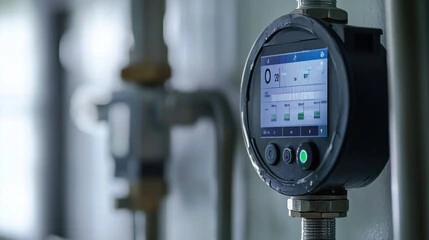
Wet spots in the yard or near the foundation are another frequent source of confusion. Both plumbing and irrigation leaks can saturate soil without creating visible surface flooding. Even a water meter that continues moving when all indoor fixtures are off may be reacting to an irrigation issue rather than a household plumbing problem.
Because these signs overlap so closely, it’s understandable why many homeowners aren’t sure where the issue actually starts.
Yes. An underground irrigation leak can allow water to run continuously without being visible, which often leads to higher water bills. Because the water never enters the home, it’s easy to assume the increase is caused by a plumbing issue when the source is actually outside.
How Irrigation Leaks Can Mimic Slab Leaks
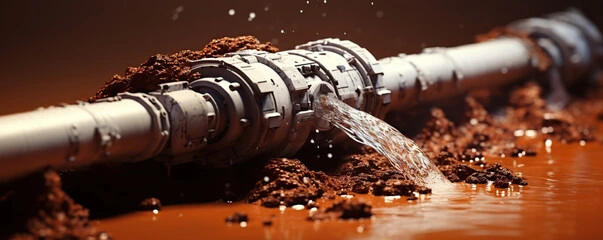
When an irrigation line breaks underground near a home, the escaping water doesn’t always surface where the break actually is. Instead, it can travel along soil or pipe paths until it reaches the edge of the slab or a low point near the foundation.
This movement can cause moisture to appear near exterior walls, along walkways, or even inside the home at floor edges, which closely resembles how slab leaks often present. In slab-on-grade Palm Coast homes, both irrigation and plumbing lines run below concrete, making it difficult to tell which system is responsible based on location alone.
Because the symptoms look so similar, irrigation leaks are a common source of slab leak concerns—especially when there’s no obvious water source visible.
The most reliable way is by isolating the systems. If the water meter moves only when the irrigation system runs, the issue is likely irrigation-related. Slab leaks typically affect the meter continuously, even when irrigation is off, but because symptoms can overlap, professional testing is often needed to be certain.
Pressure Changes Caused by Irrigation System Issues
Many Palm Coast homeowners notice pressure changes that seem to come and go, often depending on the time of day. When an irrigation system is running, especially if there’s a leak or a valve problem, it can draw enough water to reduce pressure inside the home.
Stuck zones or failing irrigation valves can also cause the system to run longer than intended, placing added strain on the shared water supply. This is why faucets, showers, or appliances may behave differently at certain times, even though nothing inside the house has changed.
Because these pressure shifts are temporary and inconsistent, they’re frequently mistaken for internal plumbing problems.
Why Plumbers Often Ask About Irrigation First in Palm Coast
In Palm Coast, asking about the irrigation system is often a practical first step when diagnosing water or pressure issues. Because irrigation and plumbing share similar underground paths, checking irrigation early helps narrow down the source before assuming the problem is inside the home.
This process of elimination can prevent unnecessary disruption, especially when slab-related work is involved. Identifying an irrigation issue first may resolve the symptoms without opening floors or accessing plumbing under concrete.
The goal isn’t to rule anything out prematurely, but to work through the possibilities logically and minimize disruption while getting clear answers.
What Homeowners Can Check Safely
Homeowners can often gather helpful information just by paying attention to patterns. Noting when symptoms occur—such as pressure changes during certain times of day or while the irrigation system is running—can offer useful clues.
Watching how the water meter behaves with the irrigation system on versus off can also help narrow things down. Outside, changes like consistently damp areas, greener patches of grass, or soil settling may point toward an irrigation-related issue.
These observations don’t require any repairs or adjustments, but they can make conversations with a plumber clearer and more productive.
When It Makes Sense to Call a Plumber
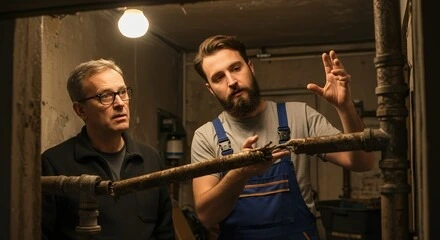
When different signs don’t seem to line up, it can be helpful to have a professional take a closer look. For example, pressure changes without any visible yard issues, or moisture showing up inside the home, can be hard to interpret without isolating the systems properly.
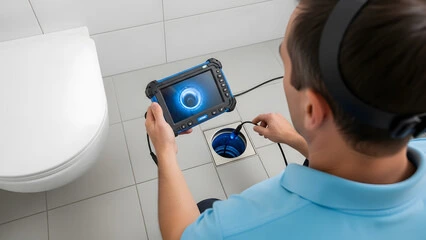
Interior symptoms like damp flooring, unexplained sounds, or ongoing pressure problems are often easier to diagnose with professional testing. Calling at this point isn’t about urgency, but about getting clear answers before assumptions lead to unnecessary or disruptive repairs.
Plumbing Takeaways for Palm Coast Homeowners
- Irrigation and household plumbing often run close together underground in Palm Coast homes.
- Early symptoms from either system can look very similar at first.
- Slab-on-grade construction can delay clear signs of where a problem is coming from.
- Local diagnostic experience helps sort out irrigation issues from plumbing concerns more accurately.
If you’re seeing signs that don’t clearly point to either plumbing or irrigation, you’re welcome to call Palm Coast Pro Plumbing. We’re happy to talk through what you’re noticing, explain what’s common in Palm Coast homes, and help you understand what may be going on—without pressure or assumptions.