Emergency Plumbing Problems in Palm Coast Homes: What Requires Immediate Help vs. What Can Wait
Most Palm Coast homeowners don’t experience a dramatic plumbing emergency. What they get instead is a 10 p.m. moment of uncertainty — water on the floor, a sound they don’t recognize, a water bill that came in $60 higher than last month. The question isn’t always “is this an emergency?” It’s usually: how bad is this, really?
With 42.5% of Palm Coast homes built between 2000 and 2009, a large share of the city’s housing stock is now 15 to 25 years old. That’s the window when CPVC supply lines begin to develop stress cracks, water heaters approach end of life, and slab-embedded pipes start showing the effects of years of soil movement and heat. A problem that reads as minor in a newer home can behave very differently underneath a Palm Coast slab.
This article explains what actually counts as a plumbing emergency, what can reasonably wait, and how to tell the difference from inside your home. If you’re unsure what you’re looking at, you’re welcome to call us — we’re happy to talk through what you’re seeing before you decide on next steps.
How to Think About Urgency in a Palm Coast Slab Home
In a raised foundation home, a pipe leak usually becomes visible quickly. In Palm Coast’s slab-on-grade construction, a supply line leak can run under concrete for days or weeks before anything shows at the surface. That’s the detail that changes how urgency should be assessed here.
Two things determine whether something is a true emergency: whether active damage is happening right now, and whether turning off the water stops the immediate risk. A burst pipe with water running freely is an emergency. A slow drip under a sink with the water off is not — unless it’s been running long enough to soften the cabinet floor or reach the wall behind it.
What the shut-off valve test tells you
Before calling anyone, locate the water supply for the affected fixture and turn it off — under the sink, behind the toilet, or at the main. If the problem stops, you have time to assess. If water is still moving somewhere, or you hear running water and can’t trace it to anything on, that changes the situation.
Plumbing Problems That Require Immediate Help in Palm Coast
Signs of a Slab Leak
This is the most serious category specifically for Palm Coast homes. A warm spot on the floor, the sound of running water when everything is off, or a water bill that jumped $80–$100 for no visible reason — these point toward an active slab leak.
In Palm Coast, sandy soil allows water to spread laterally under a slab rather than pooling and surfacing quickly. A leak can run for weeks without showing anything at the surface. By the time water stains appear or flooring starts lifting, the damage beneath is already significant. This is not a “schedule it this week” situation.
Sewage Backup at Multiple Fixtures
When two or more fixtures back up simultaneously — toilet, shower, and floor drain at the same time — the blockage is in the main sewer line, not a branch. Sewage inside the home is a health issue, and continuing to use any fixture makes it worse.
In Palm Coast neighborhoods after heavy rainfall, saturated soil adds pressure to aging sewer laterals. If the backup happens during or after a storm, that context matters and is worth mentioning when you call.
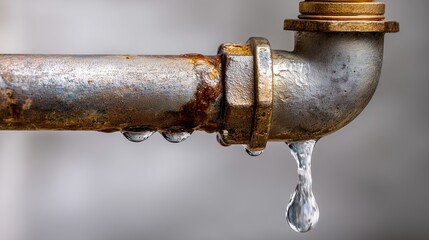
Burst or Ruptured Pipe With Active Water Flow
Close the main shut-off first, then call. CPVC supply lines — standard in most Palm Coast homes built in the early 2000s — become brittle over time. When they fail, they often fail fast. If you’ve closed the main and water has stopped, the urgency drops slightly, but the pipe still needs same-day evaluation. Don’t reopen the main supply until a plumber has looked at the break.
Water Heater Leaking From the Tank Body
A water heater dripping from a supply line fitting is a fitting problem. One leaking from the tank itself is a failing tank — and it will not stop on its own. In a Palm Coast garage or utility room, an uncontrolled tank drain causes significant floor damage before it’s discovered.
Gas water heater: If you smell sulfur near the unit, shut off the gas supply valve at the unit, open windows, and call. That’s a separate and more urgent issue than the water heater itself.
Completely No Water at Any Fixture
If water has stopped everywhere simultaneously and the utility hasn’t reported an outage, the main line into the home has failed or the pressure regulator has failed completely. Not a wait-and-see situation in Florida heat.
Plumbing Problems That Can Usually Wait — But Shouldn’t Be Ignored
This is the part most homeowners can’t find anywhere. Every article covers what’s urgent. Very few explain what isn’t — and what the difference actually looks like at home.
A Single Slow Drain
One slow drain in one fixture is a branch drain issue — localized buildup, hair, soap scum. It’s not an emergency. It should be addressed, because in Palm Coast slab homes a restriction that sits for months can worsen and contribute to a backup farther down. But it doesn’t need a midnight call.
A Running Toilet
A toilet that runs continuously wastes up to 200 gallons per day and will show up on the next water bill. It’s a cost problem, not a damage emergency. The flapper or fill valve has failed. Schedule a toilet repair within the week. One exception: if the base is rocking or the flooring around it feels soft, that changes the timeline.
A Dripping Faucet or Supply Line Connection
A slow drip from a faucet or fixture supply line — contained, not spreading — is a water waste issue. The important step is checking whether the drip is reaching wood, drywall, or flooring. In Palm Coast’s year-round humidity, sustained moisture against any of those materials creates mold conditions within days, not weeks. A contained drip inside a fully dry cabinet is a scheduling matter. Any sign of moisture on surrounding surfaces moves it up.
Low Water Pressure at One or Two Fixtures
Low pressure isolated to one faucet or shower head is almost always mineral buildup on the aerator or shower head. Palm Coast water tends toward higher mineral content, and this is common in older fixtures. Clean or replace the aerator first. If low pressure is throughout the entire house, that’s a different issue and worth a call.
Water Heater Making Noise — No Leak
Popping, rumbling, or cracking sounds from the water heater are sediment noise — mineral buildup from years of Palm Coast water on the heating element. It’s a maintenance signal, not an emergency. Schedule a flush. If the unit is 10 or more years old, start thinking about replacement before the tank decides for you. A tankless unit is worth considering at that age.
The Gray Zone — When “Can Wait” Becomes an Emergency
Non-emergency problems become emergencies when they’re ignored long enough. Palm Coast’s specific conditions accelerate that progression in ways that aren’t obvious until they happen.
The slow drain that becomes a main line backup
A slow drain ignored for months — especially in Palm Coast neighborhoods with mature trees near the sewer lateral — can progress from a branch clog to root intrusion in the main line. The transition usually happens fast, and it usually happens during or after heavy rain. What started as a 20-minute drain cleaning call becomes a sewer line evaluation. The connection between heavy rain and plumbing problems in Palm Coast is real and worth understanding before storm season.
The high water bill that turns out to be a slab leak
Many Palm Coast homeowners attribute a first high water bill to a meter error or irrigation system issue. By the second high bill, water has often been running under the slab for 4 to 6 weeks. That timeline changes what the repair involves. A leak caught at 2 weeks looks very different than a leak caught at 8. If you’ve already seen one unexplained spike, read more about why Palm Coast slab homes hide plumbing leaks.
The drip inside a cabinet in a humid climate
A slow drip from a supply line connection under a kitchen or bathroom sink is a minor repair. In Palm Coast’s humidity, that same drip against the cabinet back wall or subfloor creates conditions for mold within days. What takes two weeks to notice can turn into a cabinet, subfloor, and drywall problem. The repair is still easy — but waiting for visible damage before acting is a pattern worth breaking.
Why Palm Coast Homes Are More Vulnerable to Certain Problems
The median Palm Coast home was built around 2003. That puts the majority of the city’s residential plumbing — CPVC supply lines, original sewer laterals, and slab-embedded pipe connections — into the age range where patterns start appearing rather than isolated incidents. Neighborhoods like Palm Harbor, Pine Grove, Indian Trails, and Lehigh Woods are heavily concentrated with this era of construction.
Flagler County’s soil profile — sandy, fast-draining — means under-slab water doesn’t pool and surface the way it would in clay-heavy soil. It disperses. That’s why slab leaks in Palm Coast homes are so often found late.
The humidity is the other factor. Florida’s year-round moisture level means any plumbing leak that reaches wood, drywall, or insulation starts the mold clock immediately. What a homeowner in a dry climate might address in two weeks needs to be addressed here in two to three days.
Homes built in this era also frequently have plumbing challenges specific to early 2000s Palm Coast construction that are worth knowing about before a problem surfaces.
Three Checks to Make Before Calling a Plumber at Night
These apply to almost any situation and take about five minutes.
Turn off the water supply to the affected area
Under-sink shutoff, toilet shutoff, or main. If the problem stops, you have time to assess in the morning. If it doesn’t stop — or you can’t find the source — that’s the signal to call now.
Check other fixtures throughout the house
Run the kitchen sink, flush a second toilet, check the shower. If multiple fixtures are affected, the problem is in the main line — that’s a call regardless of the hour.
Check the water meter outside
If the meter dial is spinning or moving with everything inside off, water is actively flowing somewhere in the system. That’s a same-day call, morning or night — don’t wait on a moving meter.
Plumbing Takeaways for Palm Coast Homeowners
- In slab-on-grade homes, water travels farther before it becomes visible. Don’t wait for obvious signs to take a plumbing concern seriously.
- The shut-off valve and the water meter tell you more about urgency in five minutes than any visible inspection.
- Palm Coast’s humidity makes moisture-near-wood situations more urgent than they would be in drier climates. A drip inside a cabinet is a few-day item, not a few-week item.
- Homes built 2000 to 2009 are now at the age where CPVC supply lines and sewer laterals show patterns, not just isolated incidents.
- Running toilets, slow drains, and dripping faucets are not emergencies — but they move up the list when left alone for months.
Not Sure Whether to Call Tonight or Wait Until Morning?
You’re welcome to call Palm Coast Pro Plumbing. We’ll listen to what you’re seeing, explain what’s common in homes like yours, and help you understand what makes sense as a next step — without pressure in either direction.
Related Reading
Frequently Asked Questions
Palm Coast Pro Plumbing — Serving Palm Coast, Palm Harbor, Pine Grove, Indian Trails, Cypress Knoll, Lehigh Woods & Matanzas Woods. Licensed, insured, serving this area since 2005.