How Plumbing Issues Differ Between Palm Harbor, Indian Trails, Lehigh Woods, and Cypress Knoll Homes
Palm Coast was built as a planned community by ITT Corporation — streets laid alphabetically, canals dug, and underground utility infrastructure installed decades before most of the homes above it were ever built. That infrastructure was designed to serve 225,000 people. The city has roughly half that population today, and the system continues to age faster than the revenue base can maintain it.
What that history means for your home depends almost entirely on which neighborhood you live in and when your house was built. A Palm Harbor home from 1991 has a different plumbing profile than a Cypress Knoll home from 2006. Indian Trails sits on sections of the underground network that behave differently during heavy rain than Lehigh Woods does. These aren’t minor variations — they change which problems show up first, which symptoms to watch for, and what the right next step is.
Here’s what we see in each neighborhood. If you’re noticing something that fits one of these patterns, you’re welcome to call. We’re happy to talk through what you’re seeing before you decide on anything.
Why Palm Coast Homes Don’t All Have the Same Plumbing Problems
Palm Coast was developed in phases. The heavy construction eras — early 1990s, late 1990s, 2000 to 2008 — each used the pipe materials that were standard at the time. Homes in different neighborhoods are built with different materials, connected to different portions of the aging underground network, and subject to different first-wave failure patterns as those systems age.
The problems a Palm Coast homeowner is most likely to encounter come down to three things: when the home was built, what materials the builder used for supply and drain lines, and how the sewer lateral connects to the city’s underground grid.
What’s beneath the ground in Palm Coast — and why it matters
The original city infrastructure includes clay sewer pipes in portions of the network. Heavy rainfall — the kind Palm Coast gets routinely from June through October — saturates the sandy Flagler County soil and allows rainwater to infiltrate aging clay pipe joints. When that happens at the city level, the stress travels back toward individual homes whose laterals connect to that portion of the network. Homeowners notice it as slow-draining fixtures or floor drain backup during or after significant storms. That’s not always a home plumbing failure. Sometimes it’s downstream city infrastructure under pressure. Knowing the difference matters before authorizing a sewer line repair.
Pipe materials by Palm Coast construction era
| Build Era | Supply Pipe | Drain / Sewer Lateral | Current Status |
|---|---|---|---|
| Pre-1988 | Galvanized steel | Clay or cast iron | Well past end of service life |
| 1988–1997 (Older Palm Harbor, some Indian Trails) | CPVC | PVC or ABS | 30–40 yrs old — stress-fracture phase in FL heat |
| 1998–2008 (Most Lehigh Woods, Cypress Knoll, newer Indian Trails) | CPVC or early PEX | PVC | 20–25 yrs — first-wave maintenance window |
| Post-2008 | PEX | PVC | Lowest risk — FL water quality still applies |
Palm Harbor — What Homeowners in This Neighborhood Typically See
Palm Harbor is one of Palm Coast’s older established neighborhoods. Many homes here were built in the late 1980s through mid-1990s — P-section streets like Parkview and Pine sitting on slab foundations now 30 to 35 years old. The plumbing concerns here are different from any other neighborhood in the city.
CPVC supply lines approaching end of life
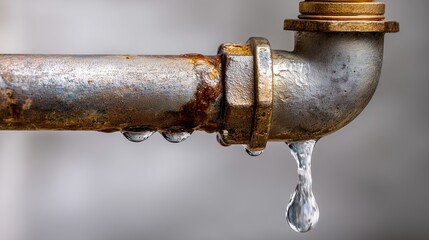
Homes in Palm Harbor built between 1988 and 1996 have CPVC supply lines that are now 30 to 40 years old. CPVC doesn’t corrode the way galvanized steel does, but Florida’s sustained heat causes it to become brittle over time — particularly at fittings, elbows, and anywhere the pipe emerges from the slab. The failure pattern is hairline cracking, often under the slab or behind walls near the water heater connection, before anything is visible. If a Palm Harbor homeowner notices a water bill increase with no obvious explanation, aging CPVC is the first thing to evaluate.
Slab leak patterns in 1990s construction
Slab-embedded supply lines in Palm Harbor homes have been under Florida’s ground pressure for three decades. Sandy soil that settles and compacts unevenly applies lateral stress to buried supply lines over that timeframe. Slab leaks in Palm Coast homes often go undetected longer than homeowners expect — the first signs are a slightly warm floor, a water bill 10 to 15 percent higher than normal, or the faint sound of running water when nothing is on.
Drain smell in older Palm Harbor homes
Homes built in the late 1980s have original P-traps, wax rings, and drain connections that are now 35-plus years old. A sulfur or sewage smell in a Palm Harbor home — particularly from a bathroom that doesn’t get regular use — is almost always a dried P-trap or degraded wax seal, not a sewer line failure. Read more about the drain smell causes specific to Palm Coast homes before assuming the worst.
Indian Trails — What Homeowners in This Neighborhood Typically See
Indian Trails spans a wider construction window than Palm Harbor — some sections date to the early 1990s, others to the early 2000s. The I-section streets run close to portions of Palm Coast’s older utility corridors, which matters during storm season.
The irrigation crossover problem
Indian Trails has a high concentration of homes with irrigation systems installed in the same original construction as the plumbing — the 1990s through early 2000s. When the irrigation backflow preventer wears out, pressure from the irrigation supply can affect the domestic water supply in ways that look like a plumbing problem. Homeowners who notice low water pressure or unexpected pressure drops specifically when the irrigation system runs should check the backflow preventer before calling a plumber. This is the most common source of irrigation vs. plumbing confusion in this neighborhood, and we get calls about it regularly.
Storm-related backup risk
Indian Trails sits in a section of Palm Coast where sewer laterals from the 1990s connect back toward some of the older portions of the city’s underground clay pipe network. When heavy rain saturates the soil and infiltrates those clay joints at the city level, homes in Indian Trails are among the first to see slow main lines or backed-up floor drains during and after significant storms. The plumbing problems Palm Coast homeowners see after heavy rain follow this pattern reliably. Before authorizing a sewer line repair after a storm backup in Indian Trails, it’s worth confirming whether the problem is inside the home or downstream.
Water heater age in 2000–2005 homes
Indian Trails homes built between 2000 and 2005 have water heaters now 20 to 25 years old. In Palm Coast’s moderately hard water environment, sediment accumulates on heating elements and accelerates tank degradation. A water heater making popping or rumbling sounds is at or near end of life. At that age in Florida’s water conditions, replacement rather than repair is usually the right call.
Lehigh Woods — What Homeowners in This Neighborhood Typically See
Lehigh Woods was built primarily through the late 1990s and mid-2000s. Most homes here are now 20 to 25 years old — right at the threshold where plumbing maintenance becomes part of the regular cost of homeownership rather than something that only happens in an emergency.
CPVC at the 20-year mark
Lehigh Woods homes built between 1998 and 2005 have CPVC supply lines that are 20 to 25 years old. They haven’t reached the crisis point of Palm Harbor’s pipes, but the early indicators are starting to appear — a slow drain on one fixture that comes back after cleaning, or pressure at fixtures that’s slightly lower than it used to be. These are the early signals that a plumbing system is entering its maintenance-intensive phase.
Running toilets and hidden water loss
At the 20-year mark, toilet flappers, fill valves, and wax rings are all approaching end of reliable service life. A running toilet in a Lehigh Woods home built in 2002 may have original components installed at construction and never replaced. The water loss is real — up to 200 gallons per day — but the symptom (a faint hissing or a tank that refills when nothing was flushed) is easy to miss. This is one of the most common sources of unexplained high water bills in Lehigh Woods.
Four-point insurance inspection timing
Homes built in the late 1990s are now entering the 25-year window where insurance companies require four-point inspections to evaluate pipe condition. An inspection that flags aging CPVC as “at risk of failure” can complicate insurance renewal. Understanding what plumbing issues are common in early 2000s Palm Coast homes before that inspection is ordered is useful preparation.
Cypress Knoll — What Homeowners in This Neighborhood Typically See
Cypress Knoll developed somewhat later than the other three neighborhoods. Most homes here were built between 2000 and 2010, with some sections extending to 2015. C-section streets sit in one of Palm Coast’s more recently built residential areas, and the plumbing concerns reflect that.
First-wave maintenance items
A 2005 Cypress Knoll home is now 20 years old. The concerns aren’t aging CPVC at crisis stage — they’re garbage disposals that have outlived their 10-to-15-year typical service life, water heaters approaching end of life, and drain lines that have accumulated 20 years of soap, scale, and grease buildup in Florida’s humidity. Calls from Cypress Knoll tend to be first-time issues rather than recurring ones — the homeowner has often never had a professional drain cleaning or water heater service in the home’s history.
Slab supply lines at 20 years
Cypress Knoll’s slab-on-grade construction is relatively young by Palm Coast standards, but slab-embedded supply lines have spent two decades under a Florida slab with Flagler County’s sandy soil settling around them. There’s no acute risk, but there’s also no documentation of what those lines look like today. A leak detection check in a home this age costs a fraction of discovering a slab leak during a major remodel or home sale.
What’s less common in Cypress Knoll
Storm-related sewer infiltration is less of a concern here than in Indian Trails or older Palm Harbor sections. Newer PVC sewer laterals in Cypress Knoll connect to more recently upgraded portions of the underground network rather than the ITT-era clay pipe grid. A backup in a Cypress Knoll home is more likely to be a localized obstruction — root intrusion at a joint, or accumulated grease — than an event driven by downstream city infrastructure stress.
What All Four Neighborhoods Have in Common
Despite the differences in construction era and infrastructure position, all four neighborhoods share the conditions that define Palm Coast plumbing regardless of street address.
Slab-on-grade construction
Every Palm Coast neighborhood is built on Flagler County sandy soil with slab foundations. Sandy soil settles unevenly over time, applying gradual stress to buried supply lines and sewer laterals. That process runs on a slow clock, but it runs in every neighborhood.
Florida’s water quality
Palm Coast water comes from a limestone aquifer — moderately hard, with calcium and mineral content that accumulates in water heaters, fixtures, and supply lines at a pace that accelerates equipment aging across the board. This affects a 1990 Palm Harbor home and a 2008 Cypress Knoll home the same way.
Year-round humidity
A dried P-trap in a guest bathroom produces a sulfur smell in Palm Coast within days. Moisture that reaches wood, drywall, or insulation in any of these homes starts the mold clock faster than in a northern or dry climate. Small plumbing issues that would stay minor somewhere else become more urgent here. A drip inside a cabinet is a few-day item, not a few-week item.
Post-rain plumbing stress
All four neighborhoods experience sewer system stress during heavy Flagler County rainfall — though the severity depends on how directly a home’s lateral connects to the older clay infrastructure network. A plumbing problem that appears during or after a storm has a different likely cause depending on which neighborhood it happens in.
Plumbing Takeaways for Palm Coast Homeowners
- Palm Harbor (1985–1997 homes): CPVC supply lines are entering or past end of life. An evaluation before a four-point insurance inspection is the right timing. Slab leaks in this era are common and often go undetected for weeks.
- Indian Trails (all eras): Irrigation backflow preventers are a documented source of plumbing confusion. Check the irrigation system before assuming a pressure problem is a plumbing problem.
- Lehigh Woods (1998–2008 homes): Running toilets, aging water heaters, and first slow drains are the presenting concerns. None are emergencies individually, but they’re useful signals about overall system age.
- Cypress Knoll (2000–2015 homes): Lower acute risk, but 20 years of Florida operation warrants a baseline assessment of water heater condition, drain state, and supply line status before something announces itself at a bad time.
- All four neighborhoods: Storm-related drain backup often has a city infrastructure component. Knowing the difference before authorizing a sewer line repair can save significant money.
Not Sure Which Category Your Home Falls Into?
You’re welcome to call Palm Coast Pro Plumbing. We can talk through what you’re seeing, explain what’s common in homes like yours based on the neighborhood and build year, and help you understand what makes sense as a next step — without pressure either way.
Related Reading
Frequently Asked Questions
Palm Coast Pro Plumbing — Serving Palm Harbor, Indian Trails, Lehigh Woods, Cypress Knoll, Matanzas Woods, Pine Grove & surrounding neighborhoods. Licensed, insured, serving Palm Coast since 2005.